Personal Injury
New York Lawmakers Introduce Bill to Ban Sale of High-Speed "E-Motos" Marketed as Legal E-Bikes
 Baltazard Law Office
·
September 20, 2026
Baltazard Law Office
·
September 20, 2026
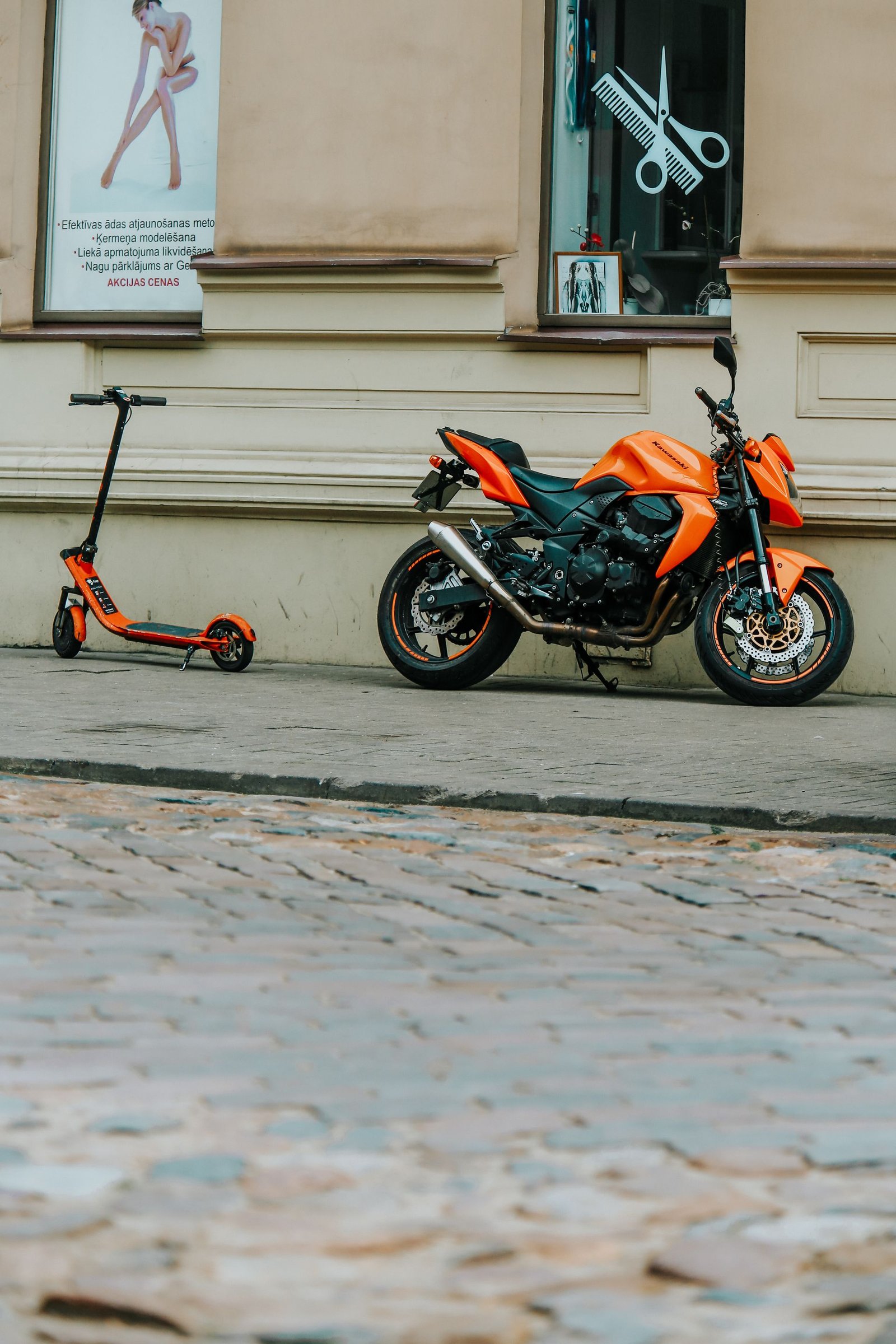
New York’s e-bike boom has brought with it a category of vehicle that looks like an ordinary bicycle or scooter but performs more like a small motorcycle: the so-called "e-moto." These devices are often sold and marketed online and in storefronts as e-bikes or e-scooters, even though many can travel 40, 50, or more miles per hour, well beyond the speeds New York law allows for devices legally classified and ridden as bicycles or scooters. On September 16, 2026, State Senator Kristen Gonzalez and Assemblymember Diana Moreno announced legislation intended to cut off that supply at its source, by making it illegal for a retailer to sell or market one of these high-speed devices as a legal e-bike or e-scooter in the first place.
Under New York's existing vehicle and traffic rules, legally classified e-bikes and e-scooters are generally capped at 20 to 25 miles per hour, depending on the class of device. The bill introduced by Gonzalez and Moreno, Senate Bill S.10700, would create a formal legal definition for “e-motos” — devices capable of exceeding that 20-mile-per-hour threshold — and would prohibit retailers from selling them or marketing them using e-bike or e-scooter terminology. Retailers would also be required to warn buyers when a device cannot legally be operated on New York roads. Under the bill, a retailer that sells a prohibited device, or misrepresents one as street-legal, would face a civil penalty of up to $1,000 per violation.
The legislation follows two crashes that drew significant public attention this year. On May 28, 2026, a head-on collision on the bike path of the Queensboro Bridge killed a cyclist and a rider on an electric scooter that, according to published reports, was capable of exceeding 50 miles per hour. In July 2026, a 17-year-old riding an e-bike in Lower Manhattan was killed after colliding with an SUV. City data cited by lawmakers and advocates shows that illegal e-bikes capable of exceeding 25 miles per hour were involved in 45 rider deaths between 2017 and 2025, more than half of all e-bike rider fatalities recorded during that period, and that roughly 973 illegal high-speed devices have been seized by the city so far in 2026.
Speaking about the bill, Senator Gonzalez noted that many of these devices can reach speeds "over 50 miles an hour, which in a crash can be life or death," and said most buyers have no reliable way to tell a legal device from an illegal one at the point of sale. Assemblymember Moreno similarly argued that the burden should not fall on ordinary buyers to "figure out" on their own that a device being sold to them is "outside of the law." Ben Furnas of the advocacy group Transportation Alternatives, which has pushed for the measure, said it was intended to end what he described as "predatory marketing" of unsafe devices to New Yorkers. The bill has drawn some support even within the e-bike retail industry, where sellers of compliant devices have pointed out that illegal, high-speed models often use weaker mechanical brakes rather than the hydraulic brakes found on legal e-bikes, resulting in significantly longer stopping distances in an emergency.
For personal injury purposes, the bill is notable less for what it would do to any individual case already in litigation than for what it signals about how the state is beginning to think about responsibility for these crashes. Riders, pedestrians, and other cyclists injured in a collision involving a high-speed e-moto today must generally pursue claims against the individual rider and, where the facts support it, the seller or manufacturer of the device, often without a clear statutory line establishing what that seller should have disclosed or should have known. A law that formally defines “e-motos” and imposes disclosure and sales obligations on retailers could, if enacted, give injured parties a clearer statutory benchmark for evaluating a retailer's conduct in future cases, separate from whatever traffic penalties an individual rider might face.
As of this writing, the bill remains pending before the Legislature, and its ultimate fate, along with the details of how any final version might be amended, cannot be predicted. In the meantime, e-bikes, e-scooters, and now e-motos, share New York's streets, bridges, and bike paths with pedestrians, drivers, and traditional cyclists in growing numbers, and crashes involving these devices continue to raise difficult questions about liability, insurance, and evidence that vary considerably from one case to the next.
Anyone in New York who has been injured, or who has lost a family member, in a crash involving an e-bike, e-scooter, or a high-speed device sold as one, is welcome to contact Baltazard Law Office, which represents personal injury clients across New York State on a contingency basis, to discuss their situation.
Attorney Advertising. Prior results do not guarantee a similar outcome.
Sources
- N.Y. lawmakers seek to ban sale of illegal high-speed e-motos — NY1 / Spectrum News (September 17, 2026)
- New York lawmakers trying to crack down on the sale of high-speed e-bikes with new bill — CBS News New York (September 16, 2026)
- Gonzalez, Moreno introduce legislation seeking to ban sale of illegal, high-speed ‘e-motos’ — QNS (September 2026)
By Baltazard Law Office
Have a Question About Your Case?
Schedule a confidential consultation with Baltazard Law Office.
Schedule a Consultation